
Start »
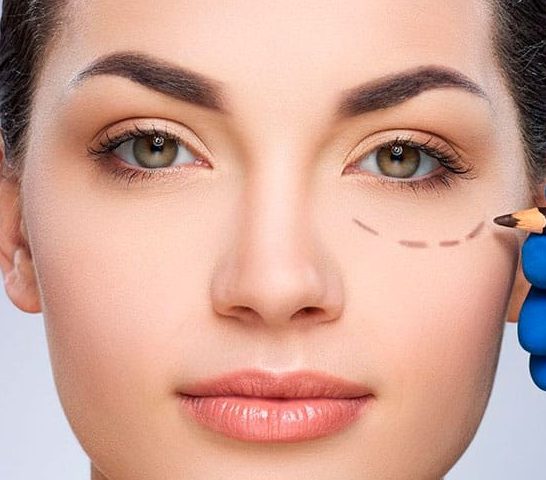
What is it and how does it work?
Eyelid surgery, also known as blepharoplasty, is a surgical procedure that aims to correct imperfections, deformities and dysfunctions of the eyelids.
This procedure can be performed for both aesthetic and functional reasons, improving the appearance of the patient's eyes and vision.
Surgery involves removing or repositioning skin tissue, muscle, and sometimes fat, to restore a youthful, refreshed appearance to the area around the eyes.
Anatomy of the eyelids
The anatomy of the eyelids is complex, made up of several layers, including skin, muscle, connective tissue and glands.
To the upper eyelids and inferior ones have as main components the thin and flexible skin, the orbicularis oculi muscle (responsible for closing the eyelids), the tarsal plate (which provides structure) and the meibomian glands (which produce part of the tear for ocular lubrication).
This structure is essential for protecting the eyeball, distributing tears over the ocular surface and regulating the amount of light that reaches the eyes.
Common eyelid problems include ptosis (drooping of the upper eyelid), pockets of fat, which give a swollen appearance, and excess skin, which can give a tired or aged appearance.
In addition to aesthetic aspects, these conditions can interfere with the visual field, especially ptosis and excess skin, and can contribute to eye irritation and difficulty wearing glasses or contact lenses.
When do I need to have eyelid surgery?
The decision to undergo eyelid surgery should be made when the aesthetic or functional conditions of the eyelids affect the quality of life, the field of vision or when there is a personal desire to improve the appearance of the eyes.
The recommendation for surgery is usually made after a detailed evaluation by a plastic or oculoplastic surgeon. However, eyelid surgery is indicated when there is:
- Excess skin on the eyelids that interferes with vision or aesthetics;
- Pockets of fat that create a bloated or tired appearance;
- Eyelid ptosis that reduces the field of vision;
- Desire to rejuvenate the area around the eyes.
Preoperative assessment
During the initial consultation, the surgeon will assess the patient's overall health, discuss expectations, explain possible procedures, and determine the best surgical approach.
This consultation is also an opportunity for the patient to express wishes and concerns. Before surgery, tests may be needed to assess eye and general health.
This includes vision tests, measurement of tear production, and eyelid imaging.
Blood tests are also common to check for conditions that could affect surgery or recovery. This preparation phase is crucial to ensure the safety and success of the procedure.
Surgical procedure
There are several techniques for performing eyelid surgery, including blepharoplasty traditional the most common.
In this method, incisions are made along the natural lines of the eyelids to remove excess skin, fat, and occasionally muscle.
Alternatives include using a laser to cut and cauterize, which can reduce swelling and bleeding.
Other techniques, such as blepharoplasty transconjunctival, focus on removing pockets of fat in the lower eyelids without removing the skin.
Surgery is usually performed under local anesthesia with sedation or, in some cases, under general anesthesia.
The surgeon and staff constantly monitor the patient's vital signs to ensure their safety.
Care during surgery includes eye protection and minimizing any discomfort to the patient.
Duration and post-operative care
The duration of the surgery varies depending on the technique used and whether both the upper and lower eyelids are being treated, but generally takes 1 to 3 hours.
Postoperative care includes rest, applying cold compresses to reduce swelling, elevating the head when sleeping, and using prescribed eye drops or ointments.
Swelling, bruising and some discomfort are common in the first few weeks after surgery.
These symptoms usually subside gradually and can be relieved with pain medications, cold compresses, and rest.
Medication use and stitch care
The surgeon may prescribe antibiotics to prevent infections and painkillers to manage pain.
Stitch care includes keeping them clean and dry, and following your surgeon's instructions for when they should be removed if they are not absorbable.
Patients are advised to avoid intense physical activity, use of contact lenses and direct sun exposure for the first few weeks.
Complete recovery time varies, but most patients return to normal activities within 10 to 14 days.
Expected results and complications
The expected results include a rejuvenated appearance, reduction of bags under the eyes and improvement in vision, if there was interference due to excess skin.
The aesthetic and functional improvement contributes significantly to the patient's self-esteem.
Although rare, complications can include infection, asymmetry, difficulty closing the eyes, visible scars and, in very rare cases, damage to vision.
Open communication with your surgeon can help minimize these risks.
It is essential that the surgeon openly discusses the patient's expectations, providing a realistic view of the possible results and limitations of the surgery.
Conclusion
Eyelid surgery can offer significant quality of life benefits by improving both the function and aesthetics of the eyelids.
The keys to a successful outcome include choosing a qualified and experienced plastic or oculoplastic surgeon, a detailed pre-operative evaluation, and careful post-operative follow-up.
By understanding the procedure, necessary care, and realistic expectations, patients can navigate the blepharoplasty process with confidence and achieve satisfactory results.
About Leandro Pellarin
In the context of eyelid surgery, it is essential to recognize the experience and expertise of the Dr. Leandro Pellarin.
With a patient-centered approach, he establishes a relationship of reciprocal trust, essential to achieving the best results in blepharoplasty procedures.
His ability to create harmony with patients' expectations and goals stands out in the field of plastic surgery, providing results that not only improve aesthetics, but also functionality and general well-being.
For those interested in exploring more about the possibilities of aesthetic and functional improvement of the eyelids, or any other plastic surgery procedure, Dr. Leandro Pellarin's clinic represents a welcoming and professional environment.
Located at Rua Groenlândia, 401, Jardim América, São Paulo, the clinic is a space where innovation and safety are priorities.
We invite you to schedule a consultation to discuss your expectations and how Dr. Leandro Pellarin can help you achieve them.
-

Deep Plane Lifting: What is it and what is it for?
-

Lipografting: What is it, what is it for and what are the advantages?
-

Secondary Rhinoplasty: what it is, what it is for and what the benefits and risks are
-
Facial Lift: How to prevent facial aging
-

Liposuction: What is it and what is it for?
-
Abdominoplasty: what is it? what is it for?
-

UV rays: What are the impacts on the skin?
-

ENDOLIFT: What is it and what is it for?